

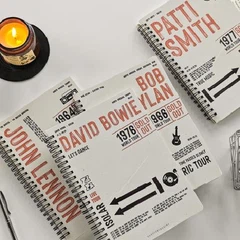
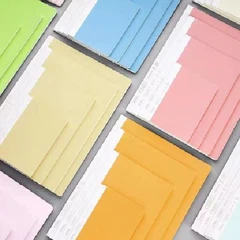

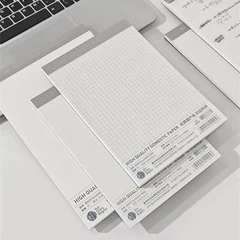
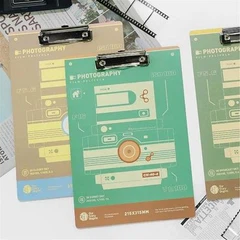
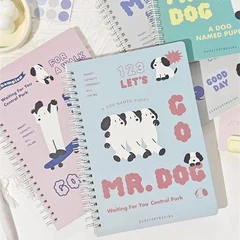
According to records, pads were invented by Thomas W. Holley around 1888. At the time, 24-year-old Thomas W. Holley was working at a paper mill in Massachusetts. He collected many manufacturers of non-standard paper of different thicknesses into a booklet, and entered the market at an affordable price. Thomas's notebook became the prototype of the paper-thin photo.
Around 1900, a judge asked to draw a vertical line on the left side of the inner page of the paperbook, which became the standard legal pad used in the American legal profession today, and after that, the paperbook was widely used in many aspects, such as novelists using it to write novels, and students using it to take notes, draw drawings and drafts, and so on. In China, it has become a letter paper for everyone to miss in that green era.
Since then, the little photograph has swept over the desks of thinkers like a whirlwind, and writers, painters, students, and entrepreneurs have especially loved it. The paper book is simple, easy to use, can be memorized as you want, and easy to organize, and is known as a must-have item for the briefcase of political and business people. There is also a small phrase in English called "be a mental yellow pad", which means to use your brain and think more and plan more when doing things, as if you have a photograph of paper at all times. It can be seen that the important position of paper in the hearts of Americans.