

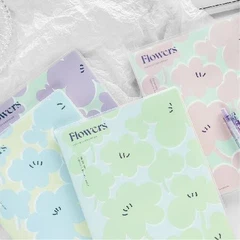
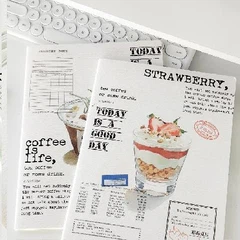
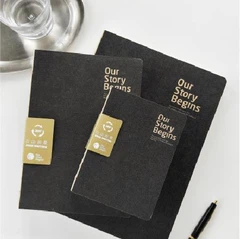
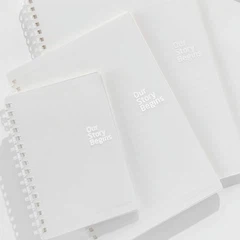

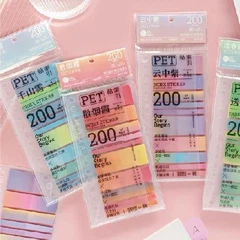
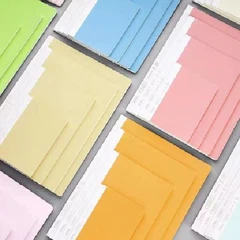

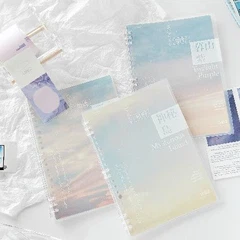
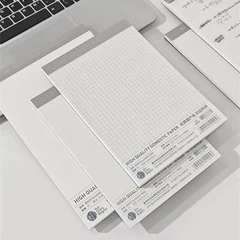
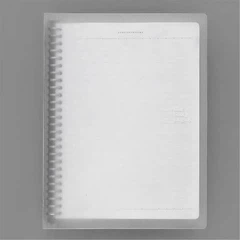
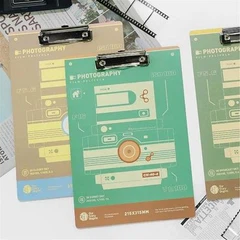
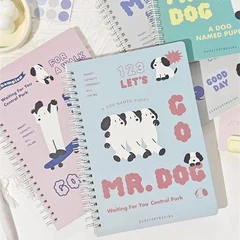

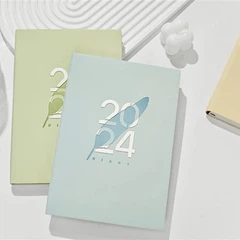
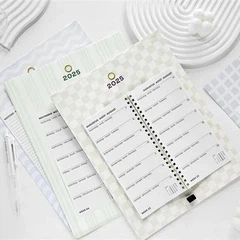
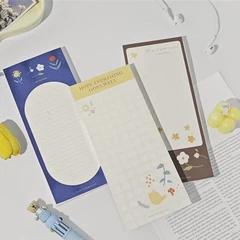
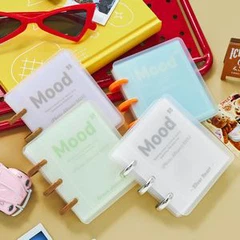
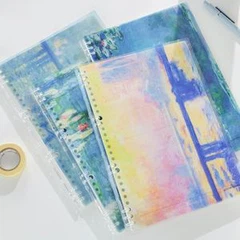
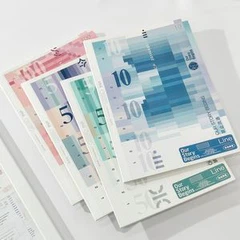
Plastic Notebook
Why Choose Us?
Quality products: We have our own production base, having the ability to produce a full chain assembly line, strictly implementing product standardization, and ensuring product quality.
Competitive advantage: Focuses on the research, development and production of this volume of paper products, has a strong production capacity, and has the research and development capacity of paper printing technology, and independently designs and produces various high-quality stationery Household goods for daily use.
R&D capability: We focus on product innovation, investment in design teams, and talent development, continuously invest in brand communication planning and continuously improve fan stickiness. Make the product a consumer's growth memory and an expressive and communicative carrier.
Professional team: We have a professional design team dedicated to research and innovation, solely for the pursuit of a better writing experience.
What Is Plastic Notebook
A notebook (also known as a notepad, writing pad, drawing pad, or legal pad) is a book or stack of paper pages that are often ruled and used for purposes such as note-taking, journaling or other writing, drawing, or scrapbooking.


Crafting Creativity: The Art of Plastic Notebook Manufacturing
Plastic notebooks are essential tools that capture our thoughts, ideas, and inspirations. Behind these seemingly simple items lies a fascinating world of plastic notebook manufacturing, where creativity, craftsmanship, and innovation converge.
The plastic notebook manufacturing process begins with design and conceptualization. Talented designers envision layouts, covers, and themes that cater to diverse preferences and purposes. From minimalist elegance to vibrant artistic expressions, the design choices reflect the plastic notebooks' intended use. The interplay of colors, textures, and paper types are carefully curated to offer a delightful writing experience for users. Meticulous attention to detail ensures that each plastic notebook design conveys a distinct personality that resonates with the target audience.
Choosing the right materials is a critical aspect of plastic notebook manufacturing. High-quality paper that offers a smooth writing surface and prevents ink bleed-through is essential. Plastic notebook covers come in various materials such as leather, fabric, and eco-friendly options like recycled paperboard. Sustainable practices in material sourcing are increasingly prioritized to minimize the environmental impact of production. Plastic notebook manufacturers collaborate with trusted suppliers to ensure the consistent availability of premium materials, allowing them to create products that withstand wear and tear while embodying eco-consciousness.
The printing process demands precision to reproduce the intricate designs envisioned by the creative team. Advanced printing techniques, such as digital printing and offset printing, ensure that colors are vibrant and images are crisp. After printing, the pages are carefully organized and stitched together to form a booklet, ensuring durability and longevity. The binding method may vary, including saddle-stitching, perfect binding, or spiral binding, each offering distinct advantages based on the plastic notebook's size and intended use.
Maintaining stringent quality control measures is paramount to plastic notebook manufacturing. At every stage, from material inspection to final assembly, rigorous checks are conducted to ensure that the end product meets the highest standards. Quality control processes include paper thickness assessment, color consistency checks, and examination of binding integrity.
Types of Notebooks
There are numerous different sorts of notebooks that are used by authors, students, business people, and everyone else worldwide. The following are some of the several types of notebooks:
Spiral
Spiral notebook is the most popular type of paper notepad. The majority of users are students and with good cause. Their pages are frequently punctured for easy removal, and they are typically bounded by a thick thread and have three punched holes.
01
Composition
The composition notebook has a thicker cardboard cover and is more durable than the spiral notebook. Composition notebooks have their pages sewn together and bound like a book.
02
Lab or Scientific
The use of lab or scientific notebooks is to maintain a permanent record of scientific progress. To support patent claims, working scientists frequently use them. Graph paper with headings for jotting down information about experiments and studies is typically placed within.
03
Business Notebooks
Business notebooks frequently have two uses: note-taking and time management. This type of notebook frequently includes a built-in planner. They often contain legal-ruled paper and are bound in a thicker material, like vinyl or leather.
04
The Difference Between a Plastic Notebook Cover and an Inner Page
Many people don't know the difference between the cover of a plastic notebook and the inner page; some even confuse both to be the same, but they are not. Here is the difference between a plastic notebook cover and the inner page.
Design
The design of a plastic notebook cover is a protector and also for aesthetic value. You know that plastic notebooks are basically blank pages from the first to the last page, so manufacturers prefer to attach the sheets to attractive covers to protect their sheets. So while the cover is a protector, the inner page is designed for functionality. Inner pages may or may not have writing lines but are used to document information.
Material
As we pointed out above, the materials for making plastic notebook covers and inner pages are different. While plastic notebooks are made with plastic and cardstock, inner pages are made with different materials because the quality varies. Some papers are thin while others are thick. Papers have different grammage.
Function
Lastly is the function. Covers are not for writing but solely to protect the pages, while the pages are for writing solely. This explains why cover materials are much thicker than sheets.
Selection of Plastic Notebook Inner Pages
The inside pages are the most important part of a plastic notebook. Without the inside pages, the plastic notebook is useless. This is why when shoppers are looking for the right plastic notebook to buy, they take the time to examine the quality and numbers of the pages. That is why they put more effort into the inside pages than they do the covers.
Ease of writing
The quality of the pages determines writing ease or difficulty. Good quality pages are easy to write with a pen or a pencil. You don't need to apply too much pressure to write anything down, but low-quality pages require tremendous pressure. Regularly applying pressure to the pages may cause a hand sprain.
Size
Plastic notebooks come in handy for jotting down your ideas, thoughts, and plans for the future. However, not all plastic notebooks are the same when it comes to the size of their inner pages.
The size of the inner pages affects the purpose for which the plastic notebook is used and how much detail can be written on each page. From pocket-sized to a4, the size of the inner pages varies from plastic notebook to plastic notebook.
Longevity
The quality of the inside pages is important because it is what determines how long the pages will last before, during, and after use. If you buy low-quality plastic notebooks, the pages may start to deteriorate before you even start selling them due to heat or changing weather. Some inner pages babe a short shelf life, after which they begin to peel and tear; in such a state, no one can use them.
This is why you should take inside pages seriously when shopping for plastic notebooks. The pages are the only part of the book that users work with, so if they are bad, the aim of buying a plastic notebook is defeated.
The quality and design of the inside pages are sometimes more important than the cover. The inside pages are the only part of the plastic notebook that the user actually uses and is what makes it valuable.

What Are the Benefits of Keeping a Plastic Notebook
It helps improve your memory.
Even the most meticulous people forget things sometimes.
While you may think that a particular piece of information will stick with you, it is easy for it to slip your mind. Our memories are fleeting, and even though we might not believe it, they can also be incredibly fallible. It is a proven fact that if you write something down, you are more likely to remember it. When you write something down, you get a more accurate picture of your thoughts when you go back and flip through your notebook. Writing down important events, daily tasks, and ideas will help bolster your memory.
It allows you to disconnect from digital devices.
We spend the majority of our days using digital devices. Whether it be for school, for work, or fun, we rely on digital devices for nearly everything.
Too much time spent using digital screens has been linked to issues like insomnia and decreased productivity. So not only is keeping a notebook a great way to keep track of long-term goals and daily tasks, but it is also a healthy habit. Disconnecting from the use of digital devices can help clear your mind and give your eyes a break from so much screen time.
It turns your ideas into actions.
One of the biggest benefits of keeping a notebook is that it helps turn your ideas into actions. It is one thing to have an idea pop into your mind, but when you write it down, it becomes an actionable task. Keeping a notebook can help you develop your ideas. You can use your notebook to draw diagrams or list out the next steps you need to take to bring the idea to life. While a notebook will not single-handedly power your idea to success, it certainly is a good step toward transforming your idea into something tangible.
It holds you accountable.
Whether you are keeping a notebook to jot down notes or keep track of your daily tasks, it can keep you accountable. When you write something down, put a due date on it. Whether it is an idea or project, giving it a timeline will hold you accountable for getting it done on time.
It can help you improve your day to day routine.
Notebooks are not only reserved for writing down tasks. One of the benefits of keeping a notebook that does not often come up is the fact that a notebook can help you learn more about yourself, and ultimately help you through the day with more ease. Writing down problems or obstacles that come up at work or in your personal life can help you work through those issues. When you physically write something down on paper, you can look at it from a different perspective. Journaling has even been recommended by doctors to help combat mental health issues such as anxiety. Putting our problems down on paper helps us analyze them more healthily and make better decisions.
1. Write out your favourite poem.
2. Use it as an inspiring quotes page.
3. Start with personal trivia. Include your height, weight, eye colour, place of birth, favourite food, theme song, and so on. Or, write a mock dating profile. What would you want someone to know about you?
4. Write a letter to your future self to return to when you finish the notebook.
5. Use it as a doodle page.
6. Start a habits tracker. Keep the tracker for the duration of the notebook.
7. Create a life list. Make a list of all the things you'd like to do or experience during your lifetime.
8. Make a list of places you want to visit.
9.Write down your goals for the year.
10. Start a "Secrets of adulthood" page.
11. Make a list of qualities you want to embody or feelings you want to feel.
12. Begin a gratitude journal. Keep adding to it for as long as you're writing in the notebook and refer back whenever you need a quick pick-me-up.


13. Create a key. Do you want to colour-code or use symbols? Use the first page to outline your own custom journal key. This is especially useful for bullet journals.
14. Create a life timeline. Not sure how to do this? Use the stepping stones technique from The Ultimate Guide to Journaling.
15. Start a table of contents. Having a TOC makes it easier to quick reference different things you've recorded and written about.
16. Do the Wheel of Life exercise.This is a simple but powerful coaching exercise that combines journaling with visuals to give you clarity on which areas of life create the most satisfaction and which need some TLC. Get your free workbook for this from the Becoming Who You Are Library.
17. Create a mission statement for your notebook. What is it for? Is there a particular purpose or theme to it? What are you hoping to get out of it?
18. Create a time capsule from the current day. Make a note of the day, date, time and details about that day like the weather, the news headlines, any particular current events happening in the world and any significant events in your life. It will be fun to look back when you've finished the notebook and see how the world (and your world) has moved on and what else has happened in the meantime.
With the right apps, a smartphone can do almost anything, but it's also useful to occasionally ditch your phone in favor of a trusty notebook. Here are seven reasons to carry a physical paper notebook around with you.
1. Disconnecting is good for your brain
Switching from relying on your phone in every aspect of your life to using a physical notebook can be beneficial for more than just your handwriting. You can't check social networks on your notebook. Committing to using a notebook for certain aspects of your life—say, your to-do list—can help wean you from your smartphone addiction. Overusing your phone can lead to sleep issues, anxiety, decreased productivity, and other issues, and experts recommend putting away your phone periodically during the day to break the cycle of checking and rechecking your notifications every few minutes.
2. You can use it for everything
Notebooks trump apps when it comes to versatility. They aren't just for journaling, though they're great for that, too. A notebook can be a repository for all the odds and ends you want to remember, from your monthly budget to your grocery list to your list of all the great restaurants you've visited or coffees you've enjoyed drinking. Nor do you need to use it solely for writing. It's also a great place for your sketches, doodles, and diagrams.
3. Handwriting tops typing
Writing by hand has numerous advantages compared to typing, and keeping a notebook on hand is a great way to keep your script skills sharp. Studies find that writing by hand helps you process information better, remember more, and think faster compared to typing. Plus, it improves your spelling. Since you likely don't spend a lot of time writing out information longhand at work, your handwriting skills have probably atrophied since you left school. Occasionally jotting down thoughts in a notebook is a handy way to reinvigorate the parts of your brain (and hand) that don't get a workout when you type on a computer or a smartphone.
4. Your memory is unreliable
A notebook is the perfect place to jot down a quick thought before you forget it. Not only is memory fleeting, but it's incredibly fallible. Eyewitness testimony in court cases has been found to be highly unreliable, and researchers have found that even people with so-called Highly Superior Autobiographical Memories—super-memory skills that allow them to remember just about every detail from their lives—are susceptible to false memories.
Carrying pen and paper makes it easy to write down information on the fly, providing a more accurate snapshot of the day when you go back to your notebook.
5. Writing can be good for your mental health
Journaling is an established technique doctors recommend to combat mental health issues like anxiety and depression. Keeping some sort of diary helps people express inner thoughts and fears, identify negative thought patterns, and track symptoms. Even if you don't have anxiety, keeping a journal can help clarify your feelings and get to know yourself. You may think you don't have time to dedicate to writing every day, but if you carry around a notebook, your diary will always be on hand to write in while you're killing time during your daily life.
6. And a notebook will never run out of batteries
Digital planners and apps are convenient and useful—until your phone goes dead. Paper and pen don't require any charging and are always ready to use. Even if you use your phone or computer for most writing tasks, it's great to keep a notebook on hand for when your digital devices run out of juice. Even if your phone isn't yet dead, using a notebook can help you save that battery life for something more important, getting directions or playing games.
Guangzhou Chupin Advertising Design Co., Ltd., founded in March 2011, is an advertising design company that co founded the stationery brand-ourstory begins. In March 2015, we had our own design center in Hangzhou- Hangzhou Chujia Culture & Creative Co., Ltd.,which is a company with innovation, creativity. Design as the core competitiveness, own brand, self-media, channel innovation, Marketing innovation, own-brand and own-product oriented companies. In January 2018, we have our own production base, Zhejiang Chupin Stationery Co., Ltd., which with full chain flow production capacity, and establish high quality and high audit production standards.


The Company won the "Small Business Growth Award" in 2012, was awarded as one of the eight national growth enterprises in 2013, and was awarded as the "Top Ten Cattle Merchants in 2013". At the same time with well-known designers, illustrators for a long-term cooperation. In addition, the company launched the handbook this series, five years series and other original products, it is the majority of users praise.

FAQ
Q: What is the purpose of the notebook paper?
Q: What is a good way of keeping a notebook neat so that you can find what you wrote?
Use tabs or sticky notes to mark important sections or pages.
Consider using different colored pens or highlighters to categorize or emphasize different types of information.
Create a table of contents at the beginning of your notebook and update it as you add new content.
Use dividers or sections within your notebook for different topics or subjects.
Consider using a bullet journal system or specific notation for different types of information to make it easier to find what you need.
By implementing these strategies, you can make it easier to find important information in your notebook without having to dig and flip through multiple pages.
Q: Where are notebook made from?
Q: What paper is best for notebook?
Q: Is it bad to write in a notebook?.
Writing in a notebook can also be beneficial for memory retention, as it has been shown that the act of writing by hand can improve recall and information retention compared to typing on a computer.
Ultimately, the most important thing is to find a writing method that works for you and allows you to express your thoughts and ideas effectively. Whether that means writing in a notebook, typing on a computer, or using a combination of both, is up to you.
Q: What is the importance of notebook?
Q: What is the biggest advantage of using a notebook?
Q: How a notebook can change your life?
Q: What is the value of a notebook?
Q: How do you keep an everyday notebook?
Daily Diary Stuff: Write down your thoughts and what you've been up to every day. It's like keeping a mini journal of your life, from funny moments to big dreams.
Make Lists: Use it to jot down stuff you need to do.
Doodle Time: Get creative and doodle in there!
Q: How is it important to keep a notebook and organize it?
Q: Does a notebook count as a book?
Q: Should I write in a notebook?
Q: What is the main purpose of a notebook?
Q: What is the use of notebook?
Q: What is the process of making a notebook?
Q: How do you mass produce notebook?
Q: What is the difference between a notepad and a notebook?
Q: What do you write in the notebook?
Q: How a notebook can change your life?
As one of the leading plastic notebook manufacturers in China, we warmly welcome you to buy cheap plastic notebook in stock here from our factory. All our products are with high quality and competitive price. Contact us for quotation.
Sticky Tabs, unlined hardcover journal, Flower plastic spiral notebook