

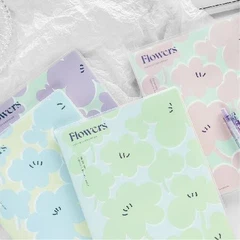
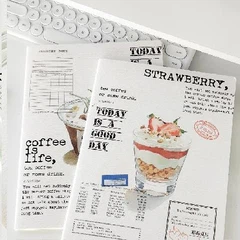
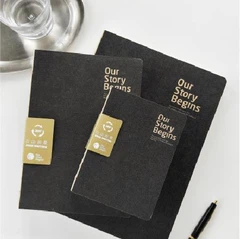
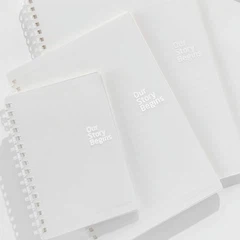
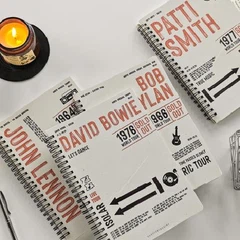
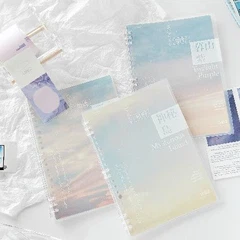
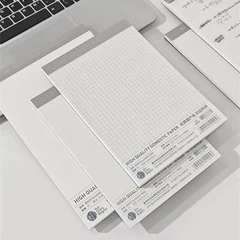
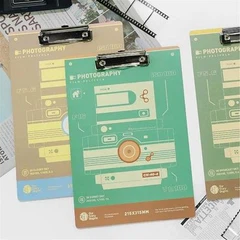
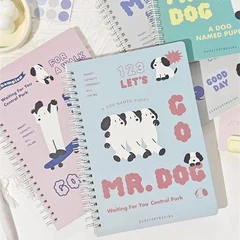
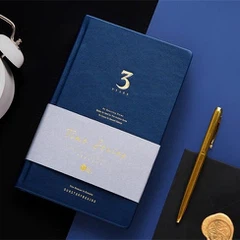
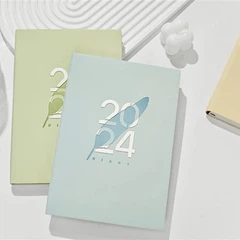
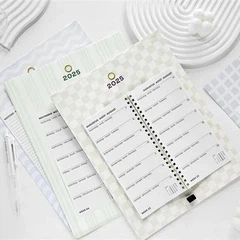
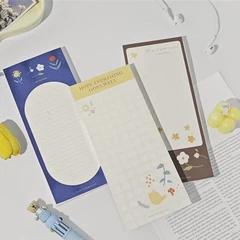
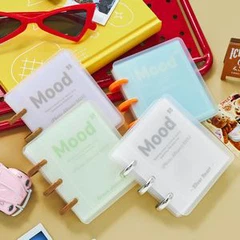
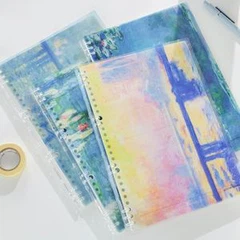
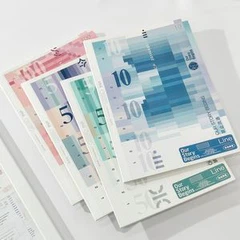
Binding Notebook
Why Choose Us?
Quality products: We have our own production base, having the ability to produce a full chain assembly line, strictly implementing product standardization, and ensuring product quality.
Competitive advantage: Focuses on the research, development and production of this volume of paper products, has a strong production capacity, and has the research and development capacity of paper printing technology, and independently designs and produces various high-quality stationery Household goods for daily use.
R&D capability: We focus on product innovation, investment in design teams, and talent development, continuously invest in brand communication planning and continuously improve fan stickiness. Make the product a consumer's growth memory and an expressive and communicative carrier.
Professional team: We have a professional design team dedicated to research and innovation, solely for the pursuit of a better writing experience.
What Is Binding Notebook
Notebook binding, often referred to as "how to bind a notebook," is the process of assembling and securing the pages of a notebook using sewing or adhesive methods. The wraparound cover, which can be flexible or rigid, ensures that the pages remain intact and firmly attach


Notebook Binding Explained
With so many types of notebook binding styles we've broken down the basics of some of the more common methods so you can make a more informed decision when looking for the right binding style for your notebook or journal.
Hard Cover or Case Binding
Possibly the most common form of notebook binding used for hardcover books. Several different types to choose from, but typically involves inside pages being sewn together in sections. These are then glued to end papers which are glued to cover?
Perfect Bound
Sections of folded pages (signatures) have their spines trimmed off and roughed up to improve bonding with glue. All sections are collated and glued to its wrap-around cover.Cover is always scored on back and front, for ease of opening and less stress on spine.
Singer Sewn
Singer sewn bindings can be used on notebooks which have a single section. The book block and cover pass through the sewing machine together so that there is a visible and continuous line of sewing on the outside of the book. This style is very popular for high end journals – using more and more luxurious materials for the covers and even using contrasting coloured thread for the sewing.
Saddle Stitching
Probably the most common and economical binding method. Created by punching wire through the document's outside spine, then bending the wire flat on the inside centre fold to grip all the pages. It may provide a similar look, but is not the same as stapling.
Sewn Bound
Similar to saddle stitching, but uses thread instead of wire. Thread is stitched along the entire spine. As more pages are added it begins to closely resemble case binding, but without the hardcover
Wire-O Binding
This binding holds the pages of the book in place by a double-loop wire inserted through holes on the left edge. It does not spiral through the book rather it creates a wire comb. The pages lay flat when opened and can rotate 360 degree. Wire-O bindings are durable, but do not permit printing on the spine.
Spiral Binding
The book is punched with a series of small holes on the left. A coil binding then is screwed into those holes from one end of the book to the other. The binding may be made of either plastic or wire and allow the printed document to lie flat and to double over. Spiral wire coils range from 1/4 inch to 2 inches in diameter and can bind books of up to 24 inches in length.
Common Types of Notebooks Explained
Spiral Notebooks
Spiral notebooks have a spiral binding that keeps the pages together. The spiral binding comes in various sizes and thicknesses, ranging from spiral wires to thicker plastic spirals. The spiral binding can enclose any type of paper, but it is most often made up of lined pages.
Composition Notebooks
Composition notebooks are a type of bound notebook. They are common writing notebooks for students and are occasionally used in offices as well. They feature lined pages on the inside and a notable black and white spotted pattern on the cover.
Bound Notebooks
Bound notebooks have a flat spine. They are held together with sewn pages that are glued together and then covered. These pages can be lined, blank, grid, dotted, or any combination.
These types of notebooks are ideal for journaling, but they can also be used for school work, workplace notes, diary entries, yearly planners, and more. The covers can be any number of textures, thicknesses, and designs, and you can find them in both hard and soft cover options.
Laboratory or Scientific Notebooks
What sets laboratory or scientific notebooks apart from other notebooks are the included details found inside. These notebooks are generally lined, but they may also contain grid pages.
They are designed for use by students, scientists, or people working in a laboratory. The beginning of the notebook includes a table of contents to help the user indicate what will be found on which page.
Bullet Journals
Bullet journals are a type of bound notebook with a dot grid pattern inside. The dots on the inside can be used to design your own planner and bullet journal system.
It's a creative outlet that allows you to design your own spreads and planning system.
Pocket Notebooks
Pocket or field notebooks are simple notebooks in a compact size. They are small enough to fit in a pocket or small bag, so you can keep them on you at all times. This makes them ideal for travel journaling or taking notes on the go.
Depending on how you plan to use the notebook, the inside of these notebooks might be lined, blank, dotted, or grid patterned.ed.
Here are seven reasons to carry a physical paper stitched notebook around with you.
1. Disconnecting is good for your brain
Switching from relying on your phone in every aspect of your life to using a physical stitched notebook can be beneficial for more than just your handwriting. You can't check social networks on your stitched notebook, for one. Committing to using a stitched notebook for certain aspects of your life—say, your to-do list—can help wean you from your smartphone addiction.
2. You can use it for everything
Stitched notebooks trump apps when it comes to versatility. They aren't just for journaling, though they're great for that, too. A stitched notebook can be a repository for all the odds and ends you want to remember, from your monthly budget to your grocery list to your list of all the great restaurants you've visited or coffees you've enjoyed drinking. Nor do you need to use it solely for writing. It's also a great place for your sketches, doodles, and diagrams.
3. Handwriting tops typing.
Writing by hand has numerous advantages compared to typing, and keeping a stitched notebook on hand is a great way to keep your script skills sharp. Studies find that writing by hand helps you process information better, remember more, and think faster compared to typing. Plus, it improves your spelling. Since you likely don't spend a lot of time writing out information longhand at work, your handwriting skills have probably atrophied since you left school. Occasionally jotting down thoughts in a stitched notebook is a handy way to reinvigorate the parts of your brain (and hand) that don't get a workout when you type on a computer or a smartphone.


4. Your memory is unreliable.
A stitched notebook is the perfect place to jot down a quick thought before you forget it. While you may think in the moment that the memory will stick with you, chances are, that little tidbit of information or spark of an idea won't stick. Not only is memory fleeting, but it's incredibly fallible. Eyewitness testimony in court cases has been found to be highly unreliable, and researchers have found that even people with so-called highly superior autobiographical memories—super-memory skills that allow them to remember just about every detail from their lives—are susceptible to false memories.
5. Writing can be good for your mental health
Journaling is an established technique doctors recommend to combat mental health issues like anxiety and depression. Keeping some sort of diary helps people express inner thoughts and fears, identify negative thought patterns, and track symptoms. Even if you don't have anxiety, keeping a journal can help clarify your feelings and get to know yourself. You may think you don't have time to dedicate to writing every day, but if you carry around a stitched notebook, your diary will always be on hand to write in while you're killing time during your daily life.
6. And a stitched notebook will never run out of batteries.
Digital planners and apps are convenient and useful—until your phone goes dead. Paper and pen don't require any charging and are always ready to use. Even if you use your phone or computer for most writing tasks, it's great to keep a stitched notebook on hand for when your digital devices run out of juice. Even if your phone isn't yet dead, using a stitched notebook can help you save that battery life for something more important, like getting directions or playing games.
Why Are Binding Notebooks Still Popular in the Digital Age
Even in the age of digital devices, binding notebooks remain popular for several reasons:
1. Tangibility: There's something satisfying about physically writing down your thoughts and ideas. Writing by hand helps to engage your mind in a different way than typing on a keyboard.
2. Convenience: Unlike digital devices, binding notebooks don't require batteries or an internet connection. You can use them anytime and anywhere, without worrying about a low battery or connectivity issues.
3. Creative outlet: Many people find that writing by hand is a creative outlet that helps them to generate ideas and express themselves in ways that are different from typing on a computer or phone.
4. Memory retention: Studies have shown that taking notes by hand can help with memory retention. Writing by hand helps to engage your brain in a way that typing doesn't, making it easier to remember what you wrote.
5. Personalization: With personalised notebooks, you can customize your experience to fit your needs. You can choose the size, binding quality, cover design, and other features that best suit your preferences.
While digital devices are convenient and useful, printed notebooks offer a unique experience that appeals to many people. They provide a tangible and customizable way to capture ideas, thoughts, and notes, making them a popular choice for people of all ages and backgrounds.
A binding notebook allows you to record your bindingoratory findings and data. These notebooks differ from other notebooks because they have inclusions such as graph grids for drawing graphs and tables for data entry. Their robust bindings and high-quality paper ensure that they don't get easily damaged or spoiled by ink.
Here are some of the things to look out for when buying a high-quality binding notebook.
Line Spacing
The sheet style determines the use of your notebook. Plain, graph, and lined notebooks are the most common sheet styles. Ruled or lined notebooks are ideal for writing. Visual thinkers and artists prefer plain notebooks. Meanwhile, notebooks with graph grid lines are useful to designers, engineers, and scientists who need to draw graphs or diagrams.
Spacing of the lines
Many students use the medium ruled 7mm paper. Students with small-sized handwriting should use the narrow ruled 6mm paper. The wide ruled 8mm paper is often used by people who have large handwriting or grade school students. For graph binding notebooks, the standard spacing is 5mm, but there is also a less popular 3mm grid for students that engage in detailed work.
Binding
The binding of notebooks can be done in different ways, and each binding style determines how easy or hard it is for a notebook to tear. Notebooks can be bound by rings, spirals, threads, staples, glue, or a combination of any of these binding styles. The style of binding determines how sturdy and flat a notebook can be. Staple and glue binding are often the weakest, but they are preferable for students that would like to pluck a leaf of their work from the notebook. On the other hand, ring, spiral and stitched binding are the strongest and they can hold papers together strongly.
Paper Weight
Paperweight is often expressed in grams or pounds per square meter. As a rule of thumb, a high-quality paper notebook is thick and durable with heavy paper weight. They have less show-through and they can withstand erasing. Students writing on both sides of the paper should prefer binding notebooks with heavier paper.
Number Of Sheets
Some students prefer thin bindingoratory notebooks with few pages, while others prefer thick notebooks with a high page count. If you have lots of information to record, your ideal notebook will be thicker. Otherwise, a thin notebook is ideal if you have to lug around many of them for different purposes.
Design and Cover Material
Sturdy covers are always the best if you're seeking durability. Always go for covers with rounded corners because they don't wear down easily. Some notebook manufacturers offer covering materials in the form of built-in pockets or sleeves. These notebooks can be ideal because you'll be sure that they'll last a long time.
Crafting Creativity: The Art of Binding Notebook Manufacturing
Binding notebooks are essential tools that capture our thoughts, ideas, and inspirations. Behind these seemingly simple items lies a fascinating world of binding notebook manufacturing, where creativity, craftsmanship, and innovation converge.
Design and conceptualization
The binding notebook manufacturing process begins with design and conceptualization. Talented designers envision layouts, covers, and themes that cater to diverse preferences and purposes. From minimalist elegance to vibrant artistic expressions, the design choices reflect the binding notebooks' intended use. The interplay of colors, textures, and paper types are carefully curated to offer a delightful writing experience for users. Meticulous attention to detail ensures that each binding notebook design conveys a distinct personality that resonates with the target audience.
Precision printing and binding
The printing process demands precision to reproduce the intricate designs envisioned by the creative team. Advanced printing techniques, such as digital printing and offset printing, ensure that colors are vibrant and images are crisp. After printing, the pages are carefully organized and stitched together to form a booklet, ensuring durability and longevity. The binding method may vary, including saddle-stitching, perfect binding, or spiral binding, each offering distinct advantages based on the binding notebook's size and intended use.
Material selection and sourcing
Choosing the right materials is a critical aspect of binding notebook manufacturing. High-quality paper that offers a smooth writing surface and prevents ink bleed-through is essential. Binding notebook covers come in various materials such as leather, fabric, and eco-friendly options like recycled paperboard. Sustainable practices in material sourcing are increasingly prioritized to minimize the environmental impact of production. Binding notebook manufacturers collaborate with trusted suppliers to ensure the consistent availability of premium materials, allowing them to create products that withstand wear and tear while embodying eco-consciousness.
Quality control and assurance
Maintaining stringent quality control measures is paramount to binding notebook manufacturing. At every stage, from material inspection to final assembly, rigorous checks are conducted to ensure that the end product meets the highest standards. Quality control processes include paper thickness assessment, color consistency checks, and examination of binding integrity.
Binding Notebooks: 6 Innovative Uses
Diary planners
Binding notebooks make excellent daily planners. The kid or the adult can create these planners, but either way, they are a terrific tool to manage and keep track of what is done each day and where you stand with your courses. You can use it to assess the effectiveness and productivity of each class or lecture.
Taking notes
The most basic and important use of notebooks is note-keeping. Using a binding notebook is handier than using a regular notebook. Taking notes is necessary since it helps the student remember and understand things.
College journal
Students can use a binding notebook as a journal or a diary notebook. It's essential to promote the daily writing habit in kids to ensure that they can continue to do so in the future. A binding notebook can be used for such purposes and maintained daily or weekly. Binding notebooks can also be used as assignment notebooks. Students may only use these for projects or practice exams.
Apply it to your blog
Blogging is a lot of work, and a notebook can help you keep track of all the little details. You may use it to keep track of media platform passwords, write blog entries, manage your content schedule, plan graphic designs, and more.
Capture your travel memories
There are plenty of beautiful images from colorful and illustrated trip journals. Even if you decide not to go the artistic path, choosing a little journal notebook for a trip can be a valuable gift and give you a completely different perspective on the event. Record the locations you visit and journal about your days. If you want to be more creative, include illustrations, photos, and mementos such as transportation tickets, sugar packets, tour/museum tickets, little pamphlets, stamps, maps, and so on.
Record pictures and quotes you like
Consider the binding diary to be a vision board in notebook form. Magazine cutouts can be used to doodle, draw, and record words that inspire you. Remember that only you need to see it, so give it your distinctive touch.
Guangzhou Chupin Advertising Design Co., Ltd., founded in March 2011, is an advertising design company that co founded the stationery brand-ourstory begins. In March 2015, we had our own design center in Hangzhou- Hangzhou Chujia Culture & Creative Co., Ltd.,which is a company with innovation, creativity. Design as the core competitiveness, own brand, self-media, channel innovation, Marketing innovation, own-brand and own-product oriented companies. In January 2018, we have our own production base, Zhejiang Chupin Stationery Co., Ltd., which with full chain flow production capacity, and establish high quality and high audit production standards.


The Company won the "Small Business Growth Award" in 2012, was awarded as one of the eight national growth enterprises in 2013, and was awarded as the "Top Ten Cattle Merchants in 2013". At the same time with well-known designers, illustrators for a long-term cooperation. In addition, the company launched the handbook this series, five years series and other original products, it is the majority of users praise.

FAQ
Q: What is binding in notebook?
Q: What does bound notebooks mean?
Q: What is the meaning of binding of a notebook?
Q: Is it better to take notes in a binder or notebook?
Q: How are notebooks bound?
Q: What is notebook binding made of?
Q: Why do people like binding notebooks?
Q: Why are notebooks important?
Q: What makes a good notebook?
Q: Why are binding notebooks important?
Q: What is the difference between a notepad and a notebook?
A notebook is a bound collection of blank pages that are usually contained in a cover, with a spine that allows it to be opened and closed like a book. The pages are often pre-numbered and the cover may contain additional features such as pockets, bookmarks, and elastic closures. Notebooks are generally intended for long-term use and are often used for keeping a journal, taking notes for a class or meeting, or for creative writing projects. Because they are bound, notebooks can withstand frequent handling and can be easily stored on a bookshelf or in a backpack or briefcase.
Q: Why is a binding notebook important?
Q: Are notebooks still popular?
Q: What does binding notebook symbolizes in life?
Q: Should I take notes in binding notebook?
Q: What is the difference between a journal and a notebook?
Q: Are binders or binding notebooks better?
Q: Should notes be on paper or notebook?
Q: Can any notebook be a journal?
Q: Why do I love collecting notebooks?
As one of the leading binding notebook manufacturers in China, we warmly welcome you to buy cheap binding notebook in stock here from our factory. All our products are with high quality and competitive price. Contact us for quotation.
perfect bound book, Go Camping Coil Notebook, sewn composition notebook