

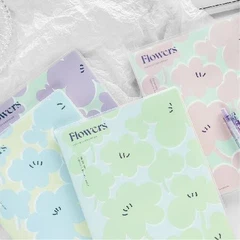
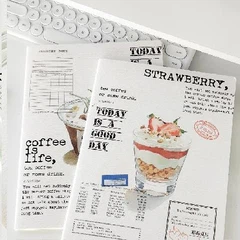
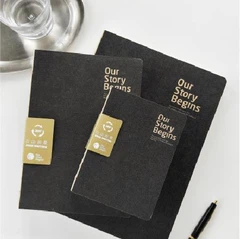
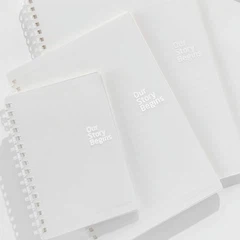

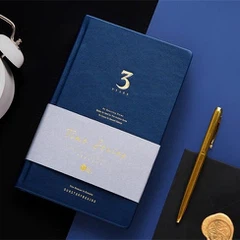
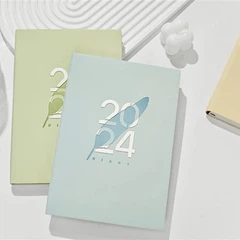
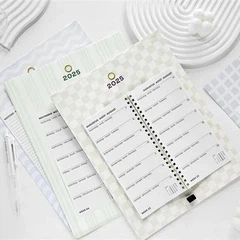
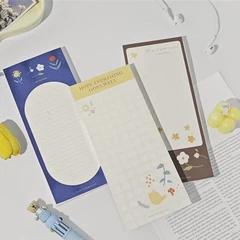
Notepad
Why Choose Us?
Quality products: We have our own production base, having the ability to produce a full chain assembly line, strictly implementing product standardization, and ensuring product quality.
Competitive advantage: Focuses on the research, development and production of this volume of paper products, has a strong production capacity, and has the research and development capacity of paper printing technology, and independently designs and produces various high-quality stationery Household goods for daily use.
R&D capability: We focus on product innovation, investment in design teams, and talent development, continuously invest in brand communication planning and continuously improve fan stickiness. Make the product a consumer's growth memory and an expressive and communicative carrier.
Professional team: We have a professional design team dedicated to research and innovation, solely for the pursuit of a better writing experience.
What Is Notepad
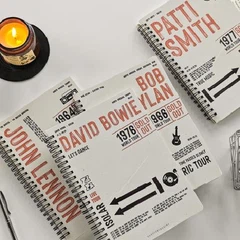
A notebook (also known as a notepad, writing pad, drawing pad, or legal pad) is a book or stack of paper pages that are often ruled and used for purposes such as note-taking, journaling or other writing, drawing, or scrapbooking.


6 Awesome Ways to Use Notepads
Whether for personal or business use, custom notepads are a versatile tool that makes taking notes easier. Both useful and valuable, these simple notepads can provide you space to get creative, track your thoughts or build your brand.
Taking Notes
Notepads are meant for taking notes — it's right there in the name! Whether at a conference or in a meeting, branded notepads are helpful for taking notes. It's a way to get your thoughts and ideas on paper during a presentation or to jot down key points during a meeting.
To-Do Lists
To-do lists have many benefits, including providing motivation, increasing productivity, improving memory, and reducing stress. Notepads are a great place to write to-do lists, whether for work or home. And with a simple pull, you can stick these lists on the fridge for the family to see or pass them on to the office intern so they can get things down.
Doodling & Sketching
Allow your creativity to run wild by using your notepads as a place to sketch or doodle. Whether to get some illustration designs down on paper or practice your pencil skills, notepads offer you an opportunity to express yourself.
Gift Bag Fillers
Whether client, conference, or customer gift bags, notepads are an excellent addition to any gift bag. A practical and helpful bag filler that will not go to waste.
Brainstorming
Get your creative juices flowing and use your notepads for brainstorming sessions. Notepads provide a space to keep ideas safe and explore them further. Whether you're a copywriter, lawyer, architect, or project manager, brainstorming can help generate multiple ideas quickly, so get on it and brainstorm in your notepad.
Shopping Lists
There's no way anyone can remember their entire shopping list without writing it down. That's where notepads come in! Having a notepad in your kitchen or any other room with an ongoing list of things you need is helpful when heading to the shops. Shopping lists help you get everything you need and not forget anything.
Types of Notepad Inner Page
There are different types of inner pages.
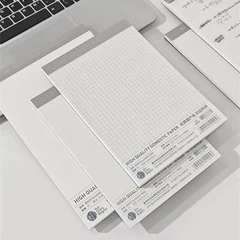
Square
Square pages have printed squares, and the sheet is trimmed to get a square on every corner. This is the most common type of inner page in use today.
Ruled
A ruled page is also called a lined page. This type is basically a notebook page with straight horizontal lines. The width between the lines is consistent and light-colored. These feint lines are put in place to enable the user to write in straight lines. Ruled inner pages are mostly used by students.
Seyes
Seyes' inner pages have a set of horizontal and vertical lines that are a mix of feint and bold lines. The feint lines occupy every 2mm space, while the bold lines occupy every 8mm. Within both lines are an 8mm grid and a red margin. This type of inner page is not as popular as the ruled or square inner page.
Arabic
Arabic inner pages are quite popular in the middle east and are specially made for writing arabic. Arabic pages may be blank or lined, but they serve the same purpose. The ruled version has enough space between each page for letters, and each notebook may have between 75 – 150 sheets. Arabic pages can be used by people of all ages, from children to adults, including teachers. Arabic pages have become the go-to version for practicing arabic writing.
Double line
Double-lined is different from the ruled version. This type of page is used to correct the confusion of single-line pages. While the bottom line keeps your writing straight, the top line serves to control the size of your letters. Double-line pages are recommended for children who struggle to write straight on ruled or lined notebooks. It also facilitates the transition from one line to the next so the text will be neatly arranged.
English line
English line pages are basically notebooks with three lines. The lines have different colors, mostly blue, red, and black. This model is commonly used for diaries.
French line
It is the ideal page for writing cursive. French lines notebooks have three faint lines positioned between heavy lines with a vertical line per 8 mm. This is the standard inner page used by french students.
Math line
Math line notebooks are essentially for math and arithmetic. They allow the user to work in an organized fashion. Math line notebooks can be composition books, construction paper, or 3-ring binders. The goal of a math line page is to help you organize your work.
Writing line
Last but not least is the writing lines inner page. This is the common single-line design we use for regular documentation.
The Notepad: An Oldie but a Goodie
In today's world of constant technological innovation, it's easy to forget about some of the old-school office tools that can help boost your productivity. One such tool is the notepad.
A notepad is a small notebook that you can keep on your desk or in your pocket. It's perfect for jotting down quick thoughts, ideas, or reminders. And because it's so portable, it's always there when you need it.
There are several benefits to using a notepad, including:
Helps to keep your thoughts organized
When you have a lot of thoughts racing through your head, it can be helpful to write them down on paper. This way, you can organize your thoughts and prioritize what needs to be done.
Encourages creativity
The act of physically writing something down can help to promote creativity. When you have a notebook dedicated solely to your ideas, you're more likely to brainstorm and come up with new and innovative ideas.

Always available
As we mentioned before, one of the best things about notepads is that they're portable. This means you can always have one on hand when inspiration strikes or when you need to jot something down quickly.
Aids in memory retention
Studies have shown that people tend to remember information better when they write it down on paper instead of typing it on a computer. If you're looking for a way to boost your memory retention, consider using a notepad.
How to Make the Most out of Your Notepad
Let's take a look at how you can make the most out of this handy tool:
Use it daily: The best way to use your notepad is to use it daily. Try incorporating it into your daily routine, whether it's for brainstorming new ideas or making quick reminders.
Keep it close: To ensure you get the most out of your notepad, keep it close by. This way, whenever inspiration strikes or you need to jot something down quickly, your notebook will be within reach.
Be consistent: Once you start using your notepad regularly, it's essential to be consistent. This means writing down your thoughts and ideas regularly so that you can track your progress and ensure that you're staying productive.
Get creative: Don't be afraid to get creative with your notepad! Use it however you see fit, and don't be afraid to experiment until you find what works best for you. After all, there are no rules when it comes to being productive!
In today's fast-paced, technology-driven world, it's easy to forget about some of the old-school office tools that can help boost your productivity. One such tool is the notepad. They're perfect for jotting down quick thoughts, ideas, or reminders. And because they're so portable, they're always there when you need them. So, if you're looking for a simple way to boost your productivity, consider using a notepad.
The History and Evolution of Notepad: An Undying Chronicle
In the fast-paced and dynamic world of journalism, one consistent, albeit underrated, component has stood the test of time - the notepad. This humble tool, carried by journalists across the globe, has played an instrumental role in creating countless news stories. From hastily scribbled notes to precise interview transcriptions, the notepad has been a silent yet powerful protagonist in the narrative of journalism.
The Early History of Note-taking in Journalism
As we venture into the early history of note-taking in journalism, it's essential to realize that note-taking has always been a fundamental aspect of the profession. Before the advent of the quintessential notepad, journalists depended on an assortment of tools to jot down information. From random scraps of paper to personal diaries, anything holding ink was a potential note-taking medium. The randomness of these methods left much room for improvement and standardization.
The Birth of the notepad
The dawn of the notepad addressed this problem, bringing a sense of uniformity and professionalism to note-taking in journalism. Born out of practical necessity, notepad were tailored to meet the unique demands of the profession. Their compact design was perfect for on-the-go journalists, with spiral binding for quick page-flipping and narrow-lined pages to maximize space. This innovative design solved the common challenges faced by reporters, streamlining their workflow and transforming the process of news gathering.
Widespread Adoption and Use of notepad
The pragmatic nature of these notebooks led to their widespread adoption and use. Stories of reporters clutching their notebooks in war zones, political rallies, and disaster-stricken areas testify to the integral role these tools have played in shaping the world of journalism.
The Influence of Technology on notepad
However, with the digital revolution, the influence of technology on notepad began to manifest. Advanced devices like smartphones, tablets, and laptops started infiltrating the journalistic landscape. Digital note-taking apps, cloud storage, and real-time online publishing platforms offered a new level of convenience and speed that traditional notebooks couldn't match. Journalists began to adapt, integrating technology into their reporting practices, leading to questions about the relevance of notepad in this digital age.
The Enduring Relevance of notepad
Interestingly, despite these technological advancements, notepad have shown enduring resilience. Their enduring relevance lies in their simplicity and reliability. Unlike digital devices, a notebook doesn't run out of battery, crash, or risk data loss due to technical glitches. Moreover, there's an emotional and tactile satisfaction to physically writing down notes that digital tools can't replicate. The sight of a reporter's notebook, filled with hastily scribbled notes and observations, often evokes the essence of traditional journalism closely associated with authenticity and credibility.
Contemporary Examples and Innovations in notepad
Innovation has yet to leave notepad untouched. Numerous companies have recognized the evolving needs of modern journalists and responded with contemporary examples and innovations. Similarly, some notebooks now incorporate pockets for business cards or sections for specific note-taking methodologies. These innovations underscore the continued relevance of notepad, demonstrating their ability to adapt and thrive in changing times.
The Future of notepad
As we look toward the future of notepad, one can't help but wonder what it holds. With further advancements in technology, shifts in journalism practices, and the growing emphasis on environmental sustainability, we'll likely see more changes in the design and usage of these notebooks. We'll see more recycled or sustainably sourced materials in notebook production or new notebook features that cater to multimedia journalists.
Notebooks and notepads are both essential stationery items that people use for writing, jotting down notes, and keeping track of important information. Although they may look similar at first glance, there are some key differences between the two that can affect how they are used.
A notebook is a bound collection of blank pages that are usually contained in a cover, with a spine that allows it to be opened and closed like a book. The pages are often pre-numbered and the cover may contain additional features such as pockets, bookmarks, and elastic closures. Notebooks are generally intended for long-term use and are often used for keeping a journal, taking notes for a class or meeting, or for creative writing projects. Because they are bound, notebooks can withstand frequent handling and can be easily stored on a bookshelf or in a backpack or briefcase.
On the other hand, a notepad is typically a pad of loose sheets of paper that are held together at the top with adhesive or staples. Notepads are usually smaller than notebooks and are more portable, making them a great option for taking quick notes on-the-go or for jotting down phone numbers, grocery lists, or reminders. Because they are not bound, notepads are easy to tear off and dispose of once they are no longer needed.
Both notebooks and notepads have their own unique benefits. Notebooks are great for long-term use and can serve as a keepsake for important events or memories. They can also be used for creative writing, such as poetry or fiction. Notepads, on the other hand, are more practical for everyday use and are ideal for taking notes on-the-go or for making quick lists or reminders. They are also great for sharing information, as each page can be easily torn off and given to someone else.
The choice between a notebook and notepad depends on the intended use and personal preference. Those who need a more durable and long-lasting option may opt for a notebook, while those who require a more portable and disposable option may prefer a notepad. Either way, both of these stationery items are essential tools for staying organized and keeping track of important information.
Guangzhou Chupin Advertising Design Co., Ltd., founded in March 2011, is an advertising design company that co founded the stationery brand-ourstory begins. In March 2015, we had our own design center in Hangzhou- Hangzhou Chujia Culture & Creative Co., Ltd.,which is a company with innovation, creativity. Design as the core competitiveness, own brand, self-media, channel innovation, Marketing innovation, own-brand and own-product oriented companies. In January 2018, we have our own production base, Zhejiang Chupin Stationery Co., Ltd., which with full chain flow production capacity, and establish high quality and high audit production standards.


The Company won the "Small Business Growth Award" in 2012, was awarded as one of the eight national growth enterprises in 2013, and was awarded as the "Top Ten Cattle Merchants in 2013". At the same time with well-known designers, illustrators for a long-term cooperation. In addition, the company launched the handbook this series, five years series and other original products, it is the majority of users praise.

FAQ
Q: What is the difference between a notepad and a notebook?
Q: What is the purpose of the notepad paper?
Q: What is notepad book?
Q: What is the biggest advantage of using a notepad?
Q: How a notepad can change your life?
Q: What is the value of a notepad?
Q: How do you keep an everyday notepad?
Daily Diary Stuff: Write down your thoughts and what you've been up to every day. It's like keeping a mini journal of your life, from funny moments to big dreams.
Make Lists: Use it to jot down stuff you need to do.
Doodle Time: Get creative and doodle in there!
Q: How is it important to keep a notepad and organize it?
Q: Does a notepad count as a book?
Q: Should I write in a notepad?
Q: What is the main purpose of a notebook?
Q: What is the use of notepad?
Q: What is a good way of keeping a notepad neat so that you can find what you wrote?
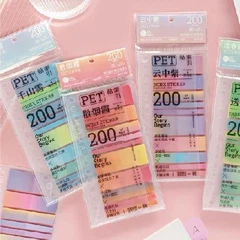
Use tabs or sticky notes to mark important sections or pages.
Consider using different colored pens or highlighters to categorize or emphasize different types of information.
Create a table of contents at the beginning of your notebook and update it as you add new content.
Use dividers or sections within your notebook for different topics or subjects.
Consider using a bullet journal system or specific notation for different types of information to make it easier to find what you need.
By implementing these strategies, you can make it easier to find important information in your notebook without having to dig and flip through multiple pages.
Q: What is the process of making a notepad?
Q: How do you mass produce notepad?
Q: Where are notepad made from?
Q: What paper is best for notepad?
Q: What kind of paper is used for notepad?
Q: Is it bad to write in a notepad?.
Writing in a notebook can also be beneficial for memory retention, as it has been shown that the act of writing by hand can improve recall and information retention compared to typing on a computer.
Ultimately, the most important thing is to find a writing method that works for you and allows you to express your thoughts and ideas effectively. Whether that means writing in a notebook, typing on a computer, or using a combination of both, is up to you.
Q: What is the importance of notepad?
As one of the leading notepad manufacturers in China, we warmly welcome you to buy cheap notepad in stock here from our factory. All our products are with high quality and competitive price. Contact us for quotation.
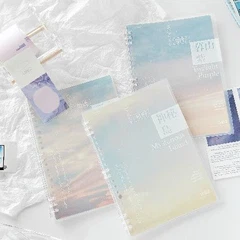
a4 plain notebook, Loose leaf Notebook