


Hey there! If you're in the market for an Input Binding Notebook, you've come to the right place. I'm a supplier of these nifty notebooks, and I'm here to share some tips on how to choose the right one for your needs.
First Things First: What's an Input Binding Notebook?
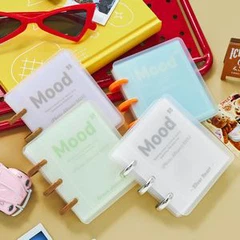
Before we dive into the selection process, let's quickly go over what an Input Binding Notebook is. It's a type of notebook that uses a specific binding method to hold the pages together. This binding is designed to be durable and flexible, allowing you to open the notebook flat and write or draw with ease. The "input" part usually refers to the ability to easily add or remove pages, making it a great choice for those who need to organize information on the go.
Consider Your Purpose
The first step in choosing the right Input Binding Notebook is to think about what you'll be using it for. Are you a student taking notes in class? A professional jotting down ideas during meetings? An artist sketching out designs? Your intended use will greatly influence the features you should look for.
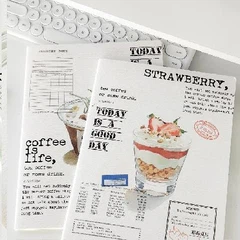
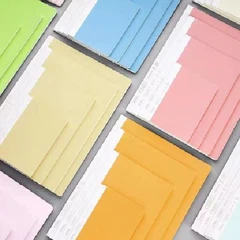
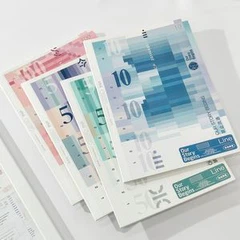
- Students: If you're a student, you'll probably want a notebook with plenty of pages and a sturdy binding. You might also want to consider a notebook with dividers or section tabs to help you organize your notes by subject. The Input Binding Notebook is a great option for students, as it comes with a durable binding and a variety of page options.
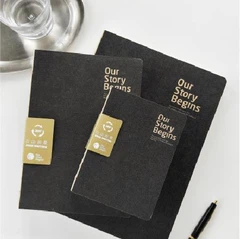
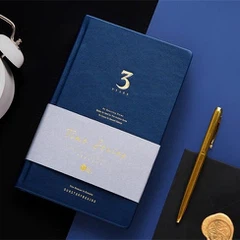
- Professionals: For professionals, a notebook that looks professional and is easy to carry around is key. You might want to look for a notebook with a leather or faux-leather cover and a pen loop. The Classic Binding Book is a classic choice for professionals, with its elegant design and high-quality materials.
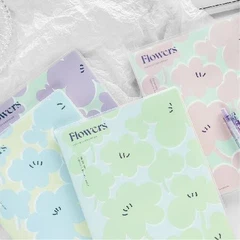
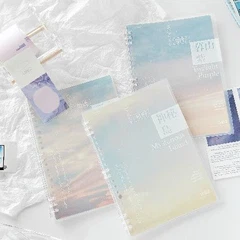
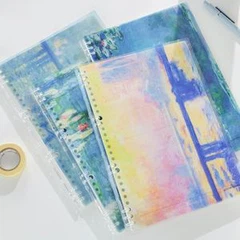
- Artists: Artists need a notebook that can handle different types of media, such as pencils, pens, markers, and watercolors. You'll want to look for a notebook with heavyweight paper and a binding that can withstand the stress of bending and folding. The Clouds Collector Binding Notebook is a great option for artists, as it has thick, acid-free paper and a flexible binding.
Think About the Size
The size of the notebook is another important factor to consider. You'll want to choose a size that's easy to carry around and fits your needs. Here are some common sizes and their uses:


- Pocket-sized: Pocket-sized notebooks are great for taking notes on the go. They're small enough to fit in your pocket or purse, but they still have enough space for a few pages of notes.
- A5: A5 notebooks are a popular choice for students and professionals. They're larger than pocket-sized notebooks, but still small enough to be portable. They're also a good size for taking notes, drawing, or writing.
- A4: A4 notebooks are the largest size and are best for those who need a lot of space to write or draw. They're often used by artists, designers, and architects.
Look at the Paper Quality
The quality of the paper in the notebook is crucial, especially if you'll be using it for writing or drawing. You'll want to look for paper that's smooth, thick, and acid-free. Smooth paper will make it easier to write on, while thick paper will prevent ink from bleeding through. Acid-free paper will also help prevent the pages from yellowing over time.
Consider the Binding Type
As mentioned earlier, the binding type is an important factor to consider. There are several different types of bindings, each with its own advantages and disadvantages. Here are some common binding types:
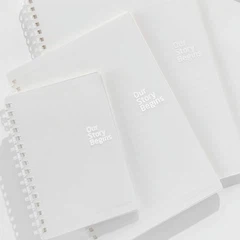
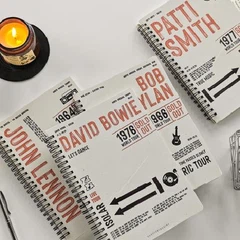
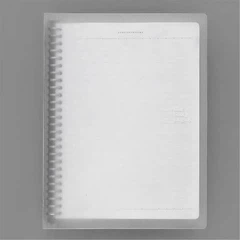
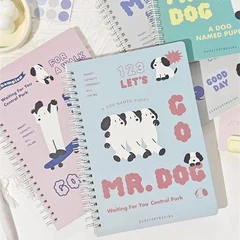
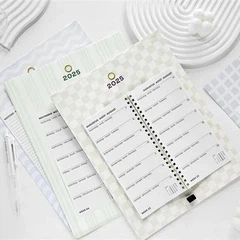
- Spiral binding: Spiral binding is one of the most common types of bindings. It's durable and allows you to open the notebook flat. However, it can be a bit bulky and may not be suitable for carrying around in a pocket or purse.
- Wire binding: Wire binding is similar to spiral binding, but it uses a wire instead of a spiral. It's also durable and allows you to open the notebook flat. Wire binding is often used in professional notebooks.
- Perfect binding: Perfect binding is a type of binding where the pages are glued together along the spine. It's a clean and professional-looking binding, but it may not be as durable as spiral or wire binding.
- Saddle stitch binding: Saddle stitch binding is a type of binding where the pages are folded in half and stapled together along the spine. It's a simple and inexpensive binding, but it may not be suitable for notebooks with a lot of pages.
Check the Cover Material
The cover material of the notebook can also make a big difference. You'll want to choose a cover material that's durable, looks good, and fits your style. Here are some common cover materials:
- Paper: Paper covers are the most common and inexpensive option. They're lightweight and easy to carry around, but they may not be as durable as other materials.
- Leather or faux-leather: Leather or faux-leather covers are a more expensive option, but they look professional and are very durable. They're often used in high-end notebooks.
- Hardcover: Hardcover notebooks are the most durable option. They have a rigid cover that protects the pages inside. Hardcover notebooks are often used for books and journals.
Read Reviews
Before you make a purchase, it's a good idea to read reviews from other customers. Reviews can give you an idea of the quality of the notebook, the durability of the binding, and the overall user experience. You can find reviews on the product page of the website where you're planning to buy the notebook, as well as on other websites such as Amazon or eBay.
Conclusion
Choosing the right Input Binding Notebook can be a daunting task, but by considering your purpose, size, paper quality, binding type, cover material, and reading reviews, you can find the perfect notebook for your needs. Whether you're a student, a professional, or an artist, there's an Input Binding Notebook out there for you.
If you're interested in purchasing an Input Binding Notebook, feel free to reach out to me for more information. I'm happy to help you find the right notebook for your needs and answer any questions you may have. Let's start a conversation about your procurement needs and see how we can work together!
References
- Notebook Buying Guide. (n.d.). Retrieved from [Website Name]
- The Best Notebooks for Every Type of Writer. (n.d.). Retrieved from [Website Name]
- How to Choose the Right Notebook. (n.d.). Retrieved from [Website Name]