














Arranging the pages in a loose - leaf notebook for a report is a crucial step that can significantly enhance the readability, organization, and overall effectiveness of your report. As a trusted loose - leaf notebook supplier, we understand the importance of this process and are here to guide you through it.
Understanding the Loose - Leaf Advantage
Before delving into the page arrangement, let's first understand why loose - leaf notebooks are ideal for reports. Loose - leaf notebooks offer unparalleled flexibility. Unlike traditional bound notebooks, you can easily add, remove, or rearrange pages as needed. This is particularly useful when you are in the process of drafting and revising your report. You can shift sections around to improve the flow, insert additional pages for new data, or remove pages that are no longer relevant.
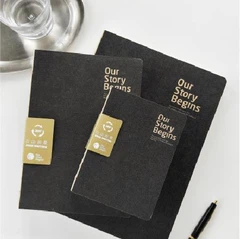
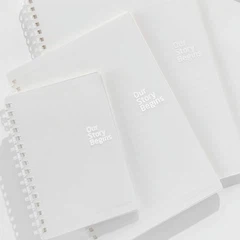
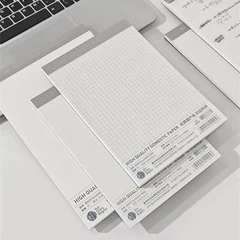
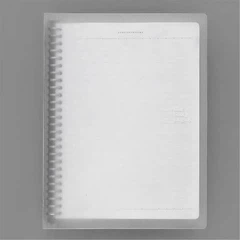
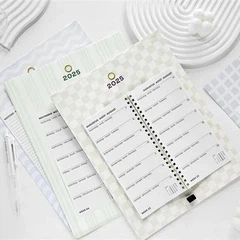
We offer a variety of loose - leaf notebooks, including the Lattice Loose - leaf Notebook and the Basic Loose - leaf Notebook. The lattice notebook provides a structured writing surface with grid lines, which can be helpful for graphs, charts, or detailed schematics. On the other hand, the basic notebook offers a clean, simple layout, perfect for text - heavy reports.
Preparing for Page Arrangement
Determine the Report Structure
The first step in arranging the pages is to have a clear understanding of the report structure. A typical report consists of a title page, table of contents, introduction, main body, conclusion, references, and appendices. Break down your content into these sections and create a rough outline. This will serve as a blueprint for your page arrangement.
Gather All the Content
Collect all the information you need for the report, including text, images, graphs, and charts. Organize them into separate piles according to the sections of your outline. This will make it easier to place them in the appropriate pages later.
Choose the Right Page Format
Consider the format of your pages. Will you use single - sided or double - sided printing? The choice depends on the amount of content and your personal preference. Single - sided printing is more suitable for reports with a lot of images or large margins, while double - sided printing can save paper and make the report more compact.
Page Arrangement Steps
Title Page
The title page is the first impression of your report. Place it at the very beginning of the notebook. It should include the title of the report, your name, the name of your organization, and the date. Use a clear, professional font and leave plenty of white space to make it visually appealing.
Table of Contents
The table of contents follows the title page. This page lists all the major sections of the report and their corresponding page numbers. To create an accurate table of contents, you may need to make a preliminary page arrangement. Once you have a rough idea of where each section will be placed, you can fill in the table of contents. Make sure the page numbers are correct and that the section headings are clear and concise.
Introduction
The introduction sets the stage for your report. It should provide background information, state the purpose of the report, and outline the main points you will cover. Place the introduction immediately after the table of contents. Use a smaller font size for sub - headings within the introduction to distinguish them from the main text.
Main Body
The main body is the core of your report. Divide it into sections and sub - sections based on your outline. Each section should focus on a specific point or topic. Use headings and sub - headings to make the content easy to navigate. Place related images, graphs, and charts close to the text that refers to them. This will make it easier for the reader to understand the data.
Conclusion
The conclusion summarizes the main points of the report and provides recommendations or solutions. Place it at the end of the main body. Keep the conclusion concise and to the point. Avoid introducing new information in the conclusion.
References
List all the sources you used in your report in the references section. Use a consistent citation style, such as APA, MLA, or Chicago. Place the references after the conclusion. Make sure to include all the necessary information, such as the author's name, publication date, title of the article or book, and the publisher.
Appendices
The appendices are used to include additional information that is relevant but not essential to the main body of the report. This may include raw data, detailed calculations, survey questionnaires, or interview transcripts. Place the appendices at the end of the report. Label each appendix clearly with a letter or number and provide a brief description of its contents.
Tips for a Professional - Looking Report
Use Dividers
Dividers are a great way to separate different sections of the report. They make it easy for the reader to find the information they need. You can use colored dividers to create a visual distinction between the sections. Label each divider clearly with the name of the section.
Maintain Consistency
Consistency is key when it comes to page arrangement. Use the same font, font size, and line spacing throughout the report. Keep the margins, headings, and sub - headings consistent. This will give the report a professional and polished look.
Proofread and Edit
Before finalizing the page arrangement, proofread and edit the report thoroughly. Check for spelling and grammar errors, as well as formatting issues. Make sure the content is well - organized and easy to read.
Conclusion
Arranging the pages in a loose - leaf notebook for a report is a skill that can be mastered with practice. By following the steps outlined above and using the right tools and techniques, you can create a professional and effective report. As a loose - leaf notebook supplier, we are committed to providing you with high - quality products that meet your needs. If you are interested in purchasing our loose - leaf notebooks for your report or other projects, please feel free to contact us to discuss your procurement requirements. We look forward to working with you to help you create outstanding reports.


References
- "The Chicago Manual of Style, 16th Edition"
- "Publication Manual of the American Psychological Association, 6th Edition"
- "MLA Handbook for Writers of Research Papers, 8th Edition"