


When it comes to stationery, the combination of tools and materials can sometimes lead to interesting experiments. As a supplier of Flower Plastic Notebook, I often get inquiries about the compatibility of different writing instruments with our notebooks. One question that has popped up recently is whether one can use a fountain pen ink converter in our flower plastic notebooks. In this blog post, we'll explore this topic in detail, considering the properties of both fountain pen ink converters and our plastic notebooks.
Understanding Fountain Pen Ink Converters
Fountain pens are known for their smooth writing experience and the ability to use a wide range of inks. An ink converter is a device that allows you to refill a fountain pen with ink from a bottle. It typically consists of a piston or a squeeze mechanism that draws the ink into the pen. Fountain pen inks come in various formulations, including water - based, pigment - based, and archival inks.
Water - based inks are the most common type. They are easy to clean up, dry relatively quickly, and are generally less likely to clog the pen. Pigment - based inks, on the other hand, contain solid particles of pigment suspended in a liquid. They offer more vibrant colors and better lightfastness but may be more prone to clogging the pen if not used regularly. Archival inks are designed to be long - lasting and fade - resistant, making them suitable for important documents.
The Characteristics of Flower Plastic Notebooks
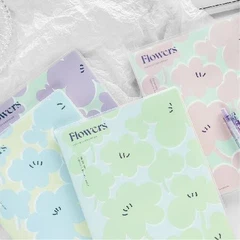
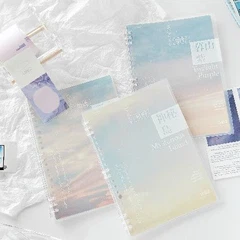
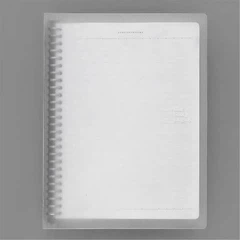
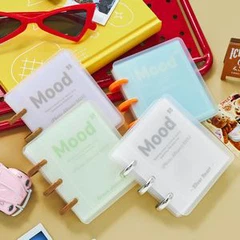
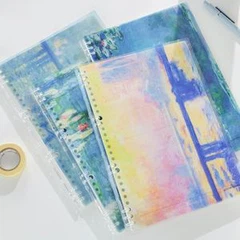
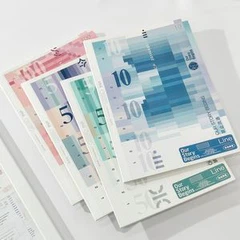
Our Flower Plastic Notebook is made from high - quality plastic materials. The plastic used is durable, waterproof, and resistant to tearing. The pages have a smooth surface, which provides a pleasant writing experience. The notebook also features beautiful flower designs on the cover, making it aesthetically appealing.
One of the key advantages of our plastic notebooks is their ability to withstand various environmental conditions. They can be used in wet or humid environments without the risk of the pages warping or getting damaged. Additionally, the plastic material is easy to clean, which is a great feature for those who are prone to making mistakes or spills.
Compatibility Analysis
When considering whether a fountain pen ink converter can be used in our flower plastic notebooks, we need to look at several factors.
Absorbency
One of the main differences between traditional paper notebooks and our plastic notebooks is absorbency. Paper absorbs ink, allowing it to dry quickly and preventing smudging. Plastic, on the other hand, is non - absorbent. When you write with a fountain pen on plastic, the ink may sit on the surface for a longer time, increasing the risk of smudging.
However, this doesn't necessarily mean that it's impossible to use a fountain pen on our plastic notebooks. Some fountain pen inks, especially those with a fast - drying formula, may work well. Water - based inks are generally a better choice as they tend to dry faster than pigment - based inks.
Ink Resistance
Another factor to consider is the ink resistance of the plastic material. Our plastic notebooks are designed to be resistant to water and most common chemicals. This means that the ink from a fountain pen is unlikely to damage the notebook. However, some inks may leave a stain on the plastic surface if left for an extended period.
To test the compatibility of a particular ink with our plastic notebooks, it's recommended to do a small test on a spare piece of plastic or an inconspicuous area of the notebook. This will help you determine whether the ink will smudge, stain, or cause any other issues.
Pen Flow
The flow of the fountain pen can also affect the writing experience on our plastic notebooks. A pen with a too - wet flow may deposit too much ink on the surface, leading to smudging and a messy appearance. On the other hand, a pen with a too - dry flow may not write smoothly on the non - absorbent plastic surface.
It's important to adjust the pen's flow to find the right balance. Some fountain pens allow you to adjust the flow by changing the nib size or the ink converter settings. Experimenting with different pens and settings can help you achieve the best writing results on our plastic notebooks.
Tips for Using a Fountain Pen in Flower Plastic Notebooks
If you decide to use a fountain pen with an ink converter in our Flower Plastic Notebook, here are some tips to help you get the best results:


- Choose the Right Ink: Opt for fast - drying, water - based inks. These inks are less likely to smudge and will dry relatively quickly on the plastic surface.
- Test the Ink: Before using the pen on the main pages of the notebook, do a test on a spare piece of plastic or an inconspicuous area. This will help you determine whether the ink is compatible with the plastic.
- Adjust the Pen Flow: Make sure the pen has a balanced flow. If the ink is flowing too freely, it may cause smudging. If it's flowing too slowly, the writing may be uneven.
- Let the Ink Dry: Since the plastic surface is non - absorbent, it may take longer for the ink to dry. Avoid touching the written area until the ink has completely dried to prevent smudging.
- Clean the Pen Regularly: To prevent clogging, clean the fountain pen regularly, especially if you're using pigment - based inks.
Other Plastic Notebook Options
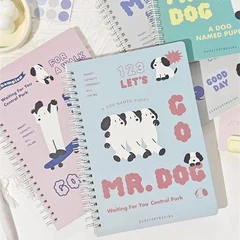
In addition to our Flower Plastic Notebook, we also offer other plastic notebook designs, such as the Blue Tide Plastic Notebook and the Ghost Dog City Walk Plastic Notebook. These notebooks have similar characteristics to the flower plastic notebook, including durability, waterproofness, and a smooth writing surface.
The Blue Tide Plastic Notebook features a beautiful blue tide design on the cover, giving it a unique and calming aesthetic. The Ghost Dog City Walk Plastic Notebook has a more urban and edgy design, making it suitable for those with a modern taste.
Conclusion
In conclusion, while using a fountain pen ink converter in our flower plastic notebooks may present some challenges due to the non - absorbent nature of the plastic, it is possible with the right approach. By choosing the right ink, adjusting the pen flow, and following the tips mentioned above, you can achieve a satisfactory writing experience.
If you're interested in purchasing our plastic notebooks or have any further questions about their compatibility with fountain pens, we encourage you to contact us for a procurement discussion. We're always happy to assist you in finding the best stationery solutions for your needs.
References
- “Fountain Pen Ink: Types and Characteristics.” Fountain Pen Network.
- “Plastic Materials for Stationery: Properties and Applications.” Journal of Stationery Science.